January 05 2026
How to Get Your Court-Ordered Class Certificate of Completion Quickly
When you're facing a court deadline for completing mandatory classes, getting your certificate of completion quickly becomes a top priority. Whether you need it for a probation check-in, custody hearing, or sentencing consideration, understanding the process can help you meet your deadline without unnecessary stress.
Understanding Certificate Processing Times
Certificate processing times vary significantly depending on the type of program and delivery method you choose. Here's what to expect from different options:
In-Person Classes: Traditional in-person programs typically provide certificates at the final class session or mail them within 5-10 business days after completion. Some programs require you to pick up your certificate in person, which can add delays if you can't make it to their office during business hours.
Online Court-Approved Programs: Many online programs offer same-day or next-day certificate delivery via email once you complete all required modules and pass any final assessments. This is often the fastest option for urgent deadlines.
Hybrid Programs: Programs that combine online coursework with in-person sessions may have longer processing times, as they need to verify attendance at all components before issuing certificates.
How to Get Your Certificate Fastest
Choose an Online Program with Instant Certificates: When selecting a court-ordered course, specifically ask about certificate delivery times. The best online programs provide downloadable PDF certificates immediately upon completion, with physical copies mailed the same day.
Complete All Requirements at Once: If your schedule allows, completing all course modules in a single sitting or over a few consecutive days ensures you meet requirements quickly. Many online programs are self-paced and allow you to work through materials as fast as you can absorb them.
Verify Court Reporting Requirements: Some programs automatically report your completion to the court, while others require you to submit the certificate yourself. Ask the course provider about their reporting process during enrollment to avoid delays.
Double-Check Course Approval: Taking a course that isn't approved by your specific court means starting over completely. Before enrolling, verify that the program is recognized by your jurisdiction. This saves weeks or months of wasted time.
Have All Documentation Ready: Before starting your course, ensure you have any required documentation on hand, including court case numbers, registration confirmation, and identification. This prevents delays during the enrollment or final verification process.
Expedited Processing Options
Many court-approved course providers offer expedited services for urgent situations:
Rush Processing: Some providers offer 24-hour certificate processing for an additional fee. This can be worthwhile if you're close to a deadline.
Electronic Delivery: Email delivery is almost always faster than postal mail. Request electronic certificates whenever possible, and confirm the email address where it will be sent.
Court Direct Filing: A few programs offer to file your certificate directly with the court on your behalf. While convenient, verify that your court accepts this method and that it won't delay your compliance verification.
What Information Your Certificate Must Include
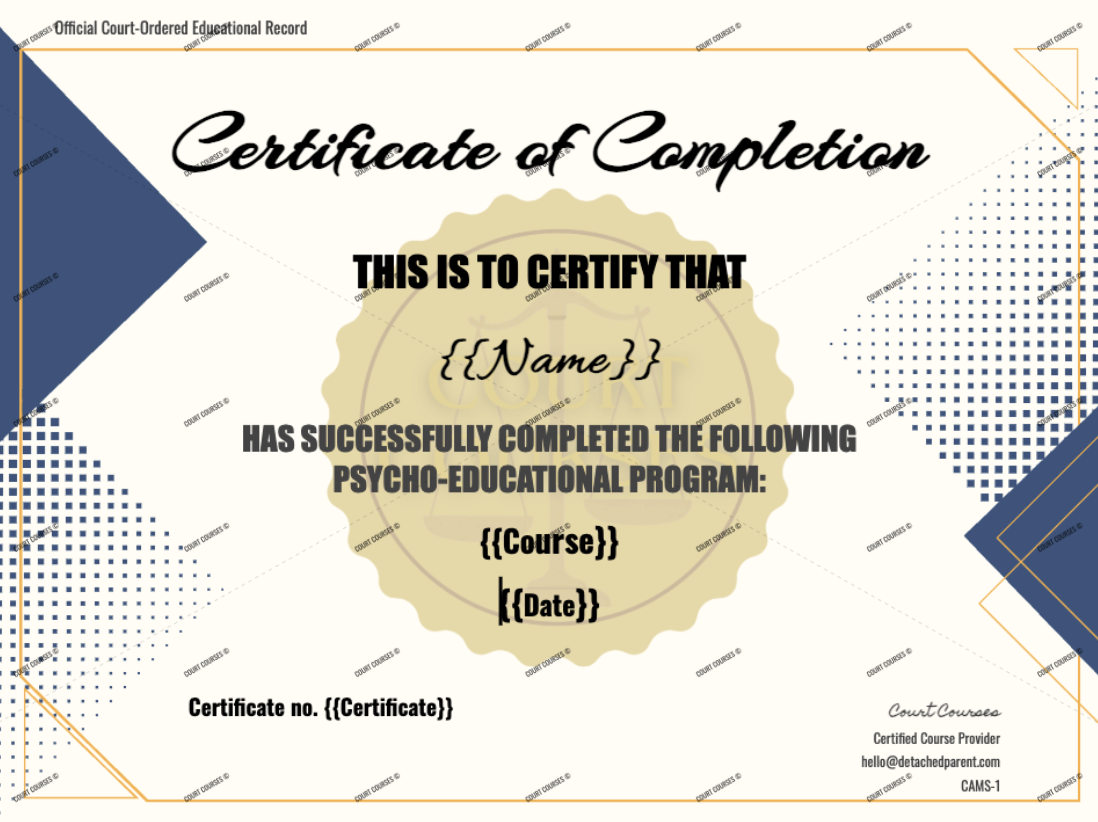
Court-ordered class certificates must contain specific information to be accepted by the court. Verify your certificate includes:
- Your full legal name (exactly as it appears on court documents)
- Your case number or court docket number
- The complete course name
- Total hours completed
- Completion date
- Provider's official information and accreditation
- Instructor or program administrator signature
- Any state-specific certification numbers
Missing any of these elements can result in your certificate being rejected, requiring you to obtain a corrected version and potentially missing your deadline.
Common Certificate Delays and How to Avoid Them
Incomplete Course Requirements: The most common reason for certificate delays is failing to complete all required components. This includes pre-tests, module quizzes, final exams, and evaluation surveys. Check your course dashboard to ensure everything shows as completed.
Payment Issues: Some programs hold certificates until all fees are paid in full. If you're on a payment plan, understand when your final payment is due in relation to your court deadline.
Incorrect Personal Information: If you registered with a nickname instead of your legal name, or entered your case number incorrectly, you'll need a corrected certificate. Double-check all information during enrollment.
Weekend or Holiday Completion: If you finish a course on Friday evening, Saturday, or Sunday, certificate processing may not begin until the next business day. Plan accordingly if you're cutting it close to a deadline.
Verification Requirements: Some programs require identity verification or have waiting periods to prevent fraud. Ask about these requirements upfront.
What to Do If You Need Your Certificate Urgently
Contact the Provider Directly: If your deadline is within a few days, call the course provider and explain your situation. Many companies can accommodate urgent requests.
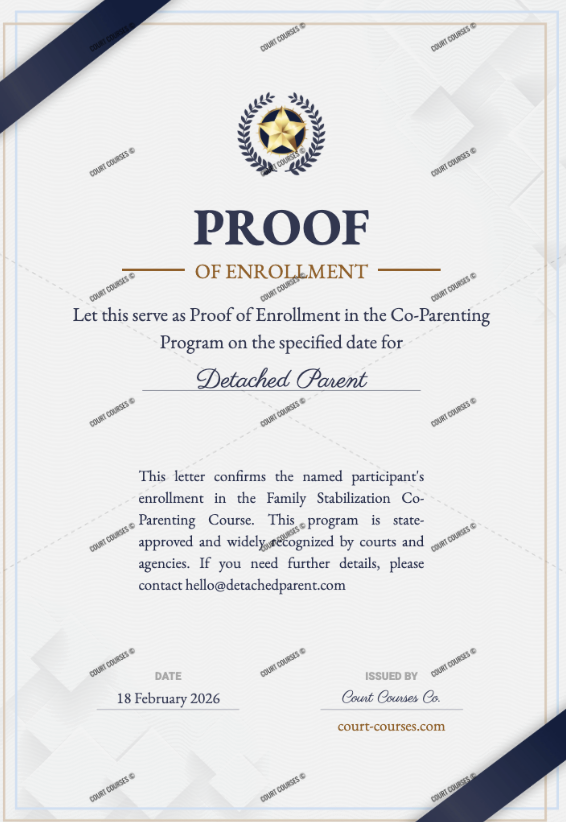
Request a Temporary Verification Letter: If your certificate isn't ready but you need proof of completion immediately, ask if the provider can issue a temporary completion letter or email verification to your probation officer or attorney.
Explain to the Court: If there's a legitimate delay in receiving your certificate despite completing the course on time, your attorney can file documentation showing you've fulfilled the requirement and the certificate is pending.
Use Multiple Delivery Methods: Request both email and physical mail delivery. This gives you a backup if one method fails.
Planning Ahead for Court Deadlines
The best way to ensure you receive your certificate on time is to plan ahead:
Enroll Early: Start your court-ordered course as soon as possible after your court date. Don't wait until the last few weeks before your deadline.
Build in Buffer Time: Aim to complete your course at least 2-3 weeks before your court deadline. This accounts for any unexpected delays or issues with your certificate.
Stay in Communication: Keep your probation officer, attorney, or the court clerk updated on your progress. If they know you're actively working on compliance, they're more likely to be understanding if minor delays occur.
Save Everything: Keep copies of all confirmation emails, certificates, receipts, and correspondence related to your court-ordered course. You may need this documentation for future reference.
Special Considerations for Different Court Requirements
Co-Parenting Classes: Many family courts require both parents to complete co-parenting education. Certificates for these courses typically include specific content hours focused on child development, communication, and conflict resolution. Online programs often provide the fastest completion times.
DUI and Substance Abuse Programs: These courses may have mandatory minimum time periods regardless of how quickly you complete the coursework. Even online programs must comply with state-mandated hour requirements.
Anger Management Classes: Week-to-week programs with required "cooling off" periods between sessions can't be rushed. Check if your court accepts accelerated formats.
Verifying Your Certificate Was Received
After submitting your certificate:
- Request confirmation from the court clerk that it was received and filed
- Check with your probation officer to verify it's in your case file
- Keep a copy for your personal records
- Follow up if you don't receive confirmation within one week
Taking a proactive approach to obtaining your certificate of completion ensures you meet court requirements without last-minute panic. Choose providers that prioritize fast, reliable certificate delivery, and always plan to finish well before your deadline.
Get your certificate immediately with this court-ordered co-parenting class.
Start your course today and complete your requirement now.
Disclaimer: The information in this article is for educational purposes and does not constitute legal advice.
Always consult with your attorney or court clerk regarding specific requirements for your case and local court requirements.

Don't worry. I hate spam too.